

Before Contact: On Learning to Be in Touch with Ourselves.
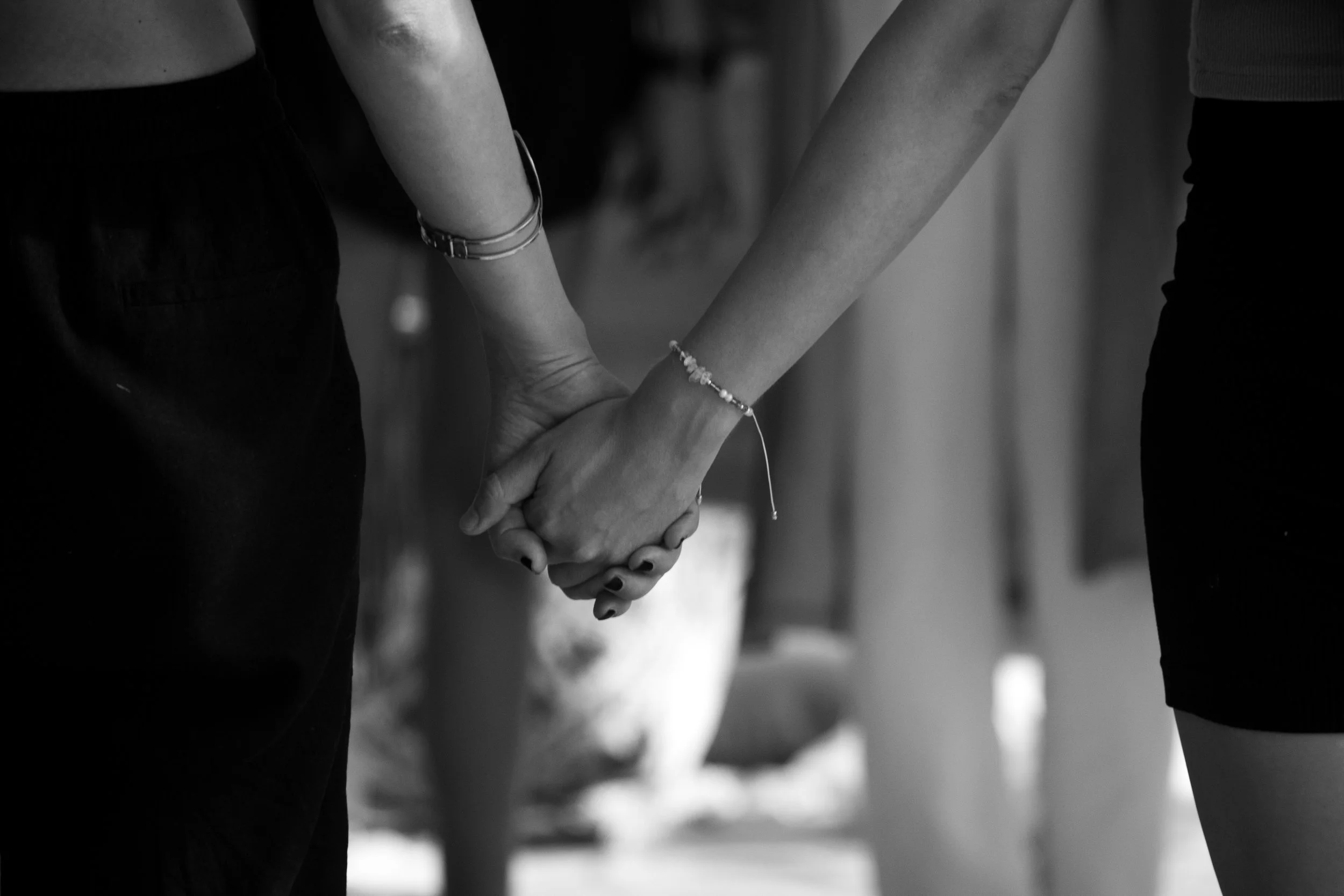
Photo captured during the Mujer Portal Retreat.
How often do we search for love, belonging, or reassurance outside ourselves, forgetting we are meant to begin there first?
I recently brought this question into my Group Mentorship, EN MI CUERPO, during our chapter on Touch.
Because if I’m honest, so much of our suffering begins here.
In the endless search.
The search for recognition.
For safety.
For intimacy.
For someone to finally see us in the way we ache to be seen.
And yet, seeking outside for what we are not creating, cultivating, or exploring within ourselves can become an exhausting cycle — one that quietly spills into broken relationships, unfulfilling work, deep loneliness, and a performative way of moving through the world. A way of relating where we are constantly adapting, proving, pleasing, shrinking, or overextending, hoping that somewhere, somehow, we will finally receive what we have not yet learned to offer ourselves.
I must admit that the phrase “be in touch with yourself” can feel cliché.
Overused.
Spiritualized.
Reduced to something that sounds beautiful but often feels vague.
But stay with me for a moment: what does it actually mean?
The word contact comes from the Latin contactus — a touching, contact — and from contingere, meaning to touch closely, to border upon.
Its roots are revealing:
con / com = together, with
tangere = to touch
At its origin, contact literally means: to touch together.
And something about that feels important.
Because how do we truly meet another if we are disconnected from ourselves?
How do we enter intimacy if we are uncertain where our own boundaries begin and end?
How are we recognizing our skin borders and experience closeness if we are estranged from our own body?
Maybe connection was never meant to begin outside of us.
Maybe real contact begins with the way we touch ourselves first.
And I’m not only speaking about skin-against-skintouch.
I actually mean:
The way you receive a kind word.
The way one passing comment can completely destabilize you.
The invisible ache of feeling like you do not belong — in love, at work, within your family, or even within yourself.
The perception through which you experience the world.
Touch lives there too.
Because touch is not only physical.
Touch is relational.
Energetic.
Emotional.
Psychological.
… It shapes the way we let life in.
It shapes what we believe we deserve.
It shapes whether we feel safe enough to take up space.
Touch creates intimacy with yourself first.
And from there, intimacy with life becomes possible.
Because the touch we search for outside often reveals the touch we are missing within.
In Ayurveda, the body is made of all the elements — earth, water, fire, air, and space — yet earth reminds us of something essential: structure, grounding, belonging.
And touch is one of the ways we return to that feeling.
To the body.
To gravity.
To presence.
Yet so often, we are taught to believe the mind will solve everything.
So we analyze.
We overthink.
We explain.
We intellectualize.
We seek answers everywhere outside ourselves.
Therapy. Relationships. AI or Social Media over-information.
And while these things can support us, they cannot replace the fundamental relationship we have with our own body.
Because what if the place you long to occupy in the world begins with the place you give yourself?
What if belonging begins internally?
Healing, in many ways, starts in the body.
And the body is far more expansive than what we can see.
It is more than flesh and form.
We carry emotional layers. Nervous system layers. Energetic layers.
Quiet forces that shape what we attract, what we tolerate, what we fear, and what we become.
So how do we begin creating the life we long for?
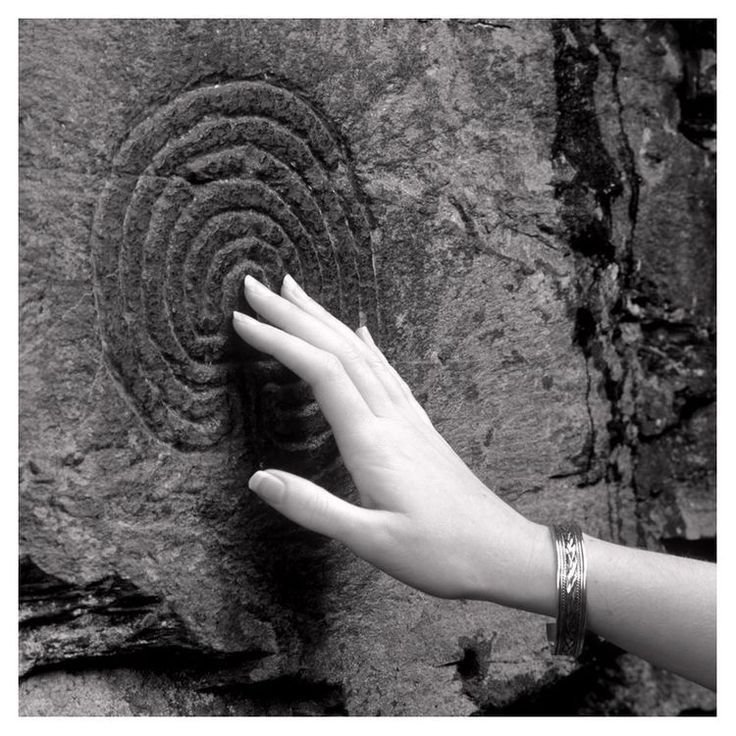
By pausing.
By allowing ourselves to be in that zero point.
In the emptiness.
In the encounter with myself.
Not mentally.
Bodily.
The resistance might appears.
But, in that moment: pause.
Not tomorrow.
Not next month.
Now.
The moment your system contracts.
The moment fear arises.
The moment avoidance whispers later.
Pause.
And little by little, practice something I often call the opposite action:
When fear says retreat, soften.
When resistance says close, stay.
When the mind spirals outward, invite the body back in.
Not forcefully.
Not perfectly.
But gently.
Start small.
Because perhaps the deepest secret is this: The way we touch life begins with the way we meet ourselves.
